








World Cup Draw: What USA, Canada, England & Scotland Coaches Can Learn
The FIFA World Cup draw has delivered a tournament packed with tactical variety. For youth coaches in the U.S., Canada, England, and Scotland, the group stage matchups are a blueprint for modern player development. This article breaks down the draw, key matchups, and concrete ways to use youth soccer coaching videos to prepare players technically and tactically.
Youth Coaching
Tactics
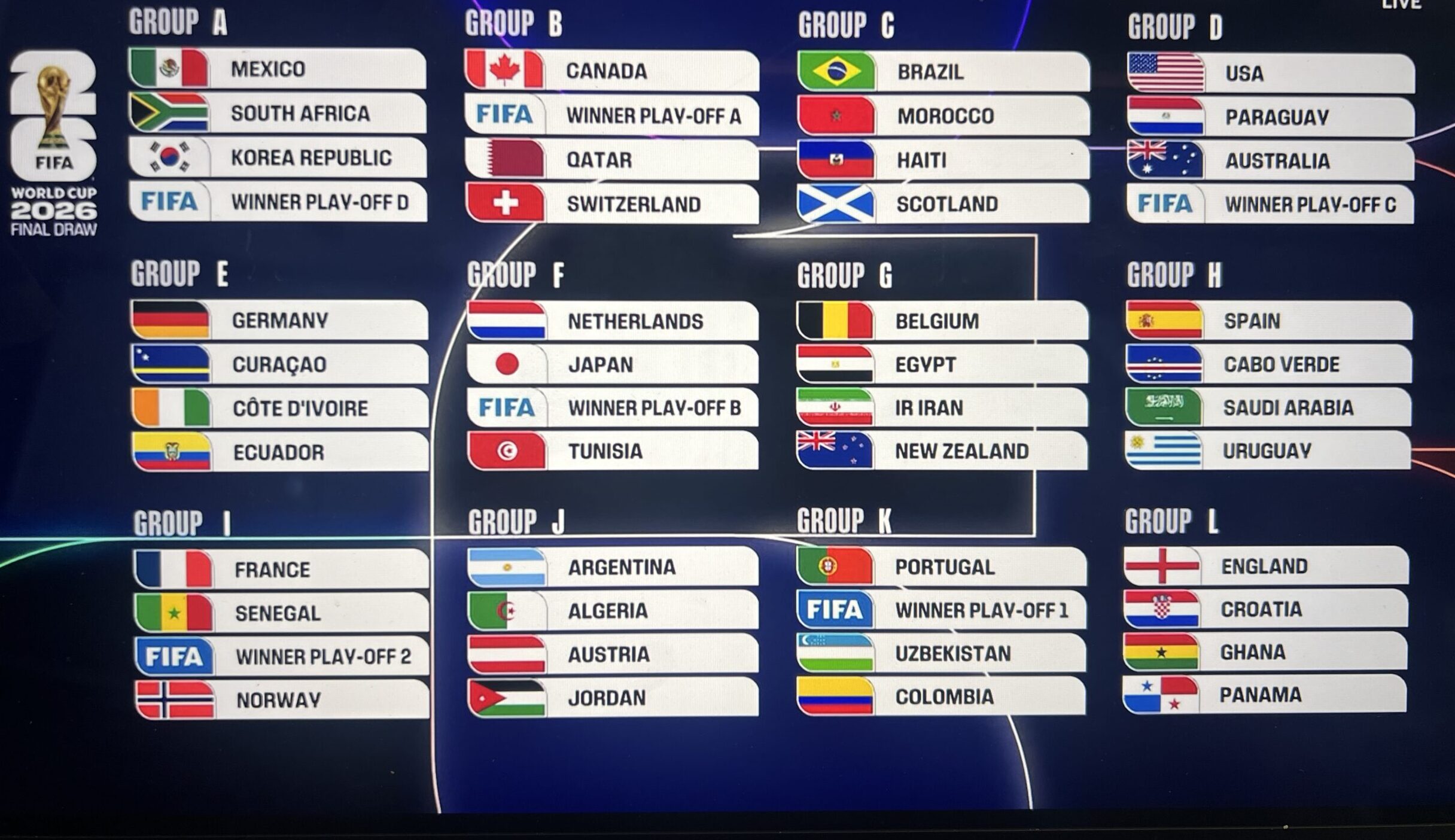
Confirmed group placements for the home nations
- Mexico — Group A
- Canada — Group B
- United States — Group D
- England — Group H
- Scotland — Group I
Key Matchups & Tactical Lessons
United States — Group D (Paraguay, Australia, European Playoff Winner)
Expect a mix of physical South American duels, disciplined Australia-style structure, and a tactically organized European opponent. Coaches should focus on adaptability: press resistance, quick transitions, and composure under pressure. Video drills on receiving under pressure and transitional pressing are ideal.
Canada — Group B (Switzerland, Qatar, Playoff Winner)
Switzerland brings compact, disciplined defending while Qatar offers technical, possession-based play. Youth sessions should stress defensive shape, scanning, and zonal work. Use video breakdowns of mid-block defending and overload creation to give players visual models.
Mexico — Group A (South Africa, South Korea, Playoff Winner)
Speed, physicality, and varied tempo define Mexico’s group. Training emphasis: first touch, transition defense, recovery runs, and tempo control. Short technical videos paired with high-tempo rondos accelerate habit-building.
England — Group H
England will likely control possession but must break down compact defensive opponents. Teach young players:
- Possession-based sequences and positional play
- Third-man combinations and switching the point of attack
- Intelligent off-ball movement
Coach with video modules that show pattern play and final-third rotations.
Scotland — Group I
Scotland’s group calls for physical midfield battles, high pressing, and direct attacking patterns. Sessions should develop press-resistance, quick passing under pressure, and compact defensive units. Mental resilience and team cohesion are as important as individual skill.
Practical Coaching Steps — Turn the Draw Into a Development Plan
- Create World Cup-themed microcycles: e.g., “England: Breaking Low Blocks Week” or “Scotland: Press Resistance Week.”
- Incorporate video drills: Use short coaching videos to demonstrate pressing, transitions, and positional rotations before on-field practice.
- Reinforce learning at home: Assign at-home video modules for technical repetition and tactical understanding.
- Run match-scenario scrimmages: Replicate Group-stage tactical scenarios in small-sided games to build situational experience.
Why Youth Coaching Videos Are Essential
High-quality video resources provide consistent session plans, visual demonstrations for young learners, and adaptable progressions for ages U–U. They allow coaches to scale modern tactical education even with limited training time.
Quick Action Plan for Coaches This Week
- Pick a microcycle inspired by one of the groups (e.g., “Press Resistance Week”)
- Share – short video drills with players and parents
- Run a themed scrimmage that mirrors a likely World Cup matchup
- Collect player feedback and track one measurable skill (first touch, pass accuracy under pressure)
Get youth coaching video modules →
Conclusion
The World Cup draw is both inspiration and a tactical manual. For youth coaches in the U.S., Canada, England, and Scotland, it’s an opportunity to align training with the modern game. Use video-based coaching resources to teach flexibility, technical precision, and tactical intelligence—so your players are ready when the spotlight shines.