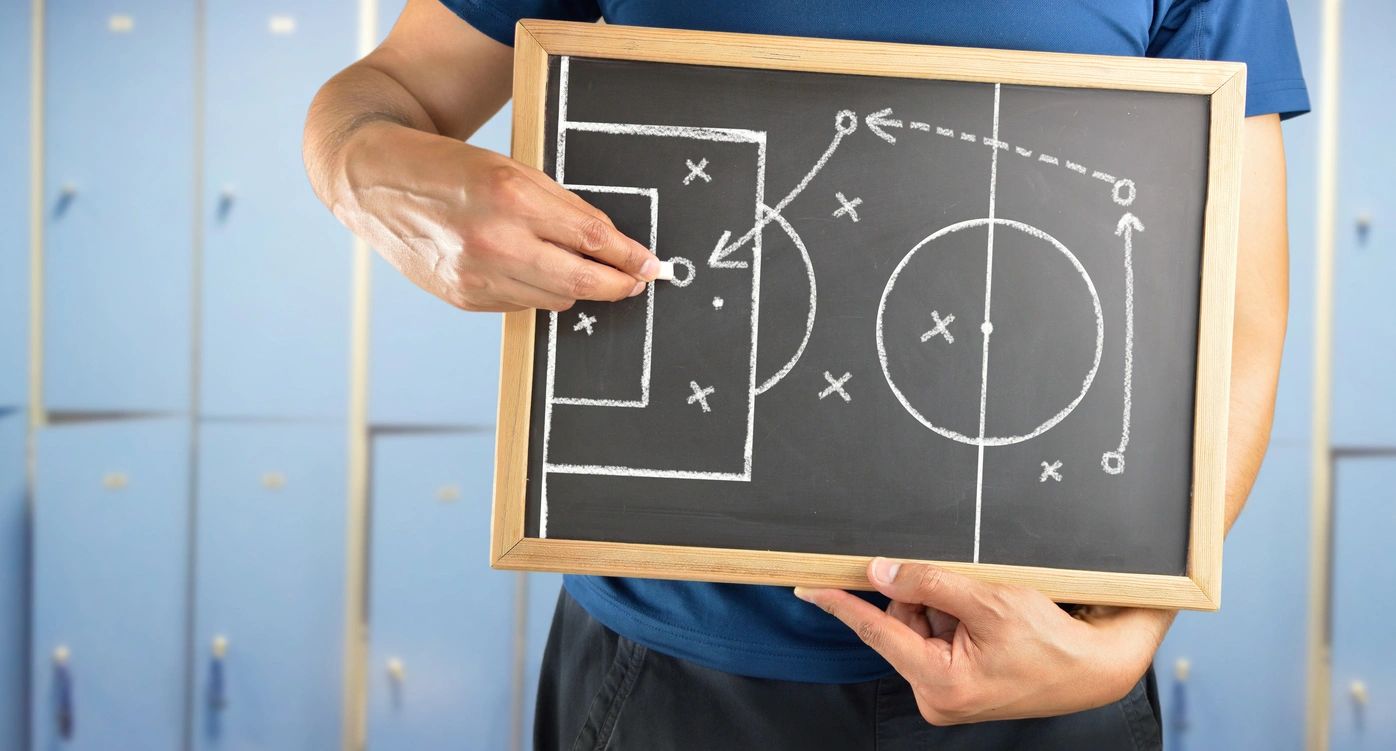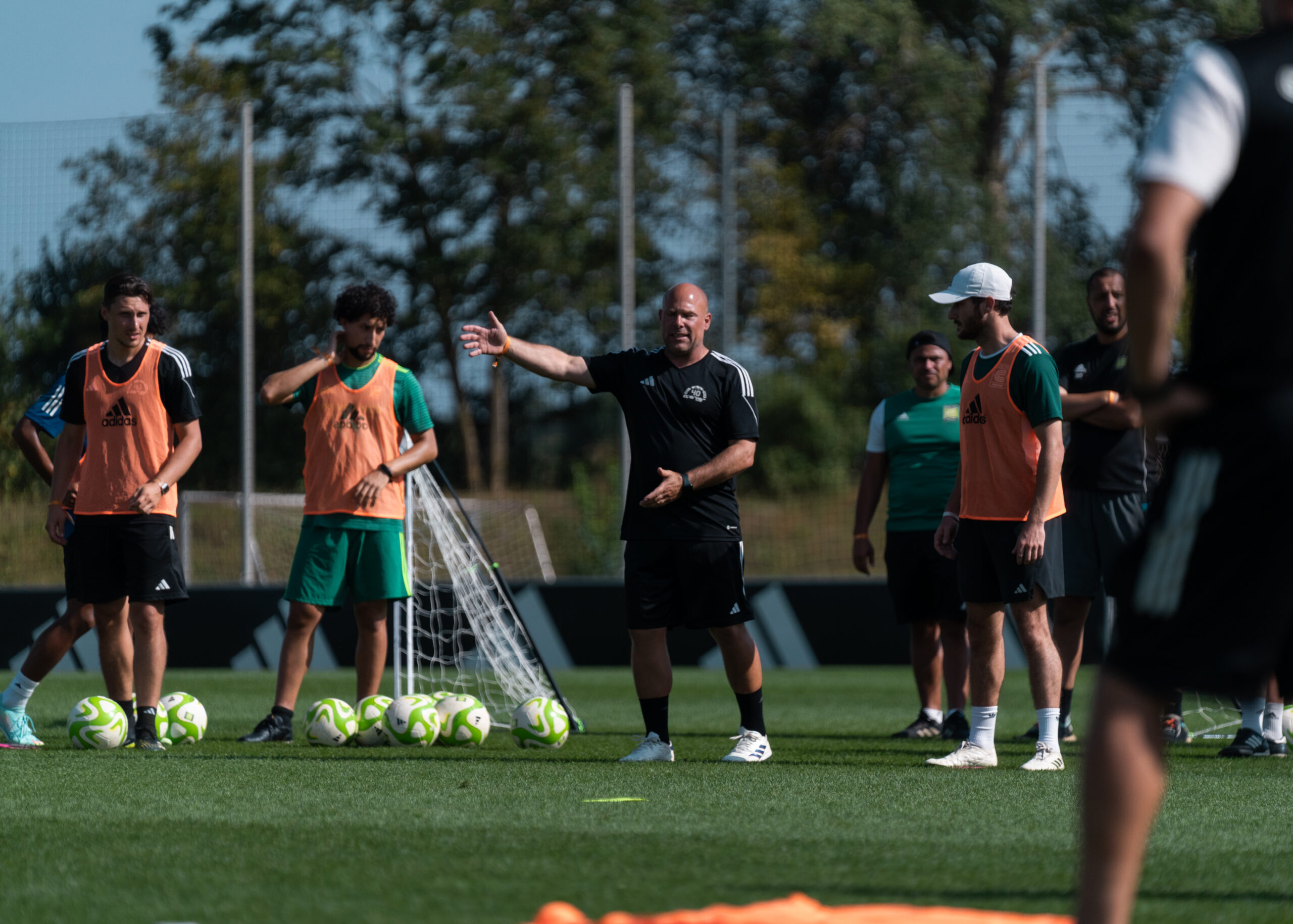

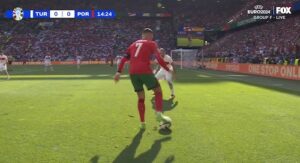



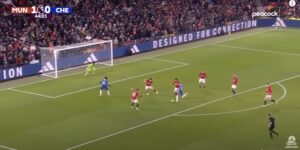
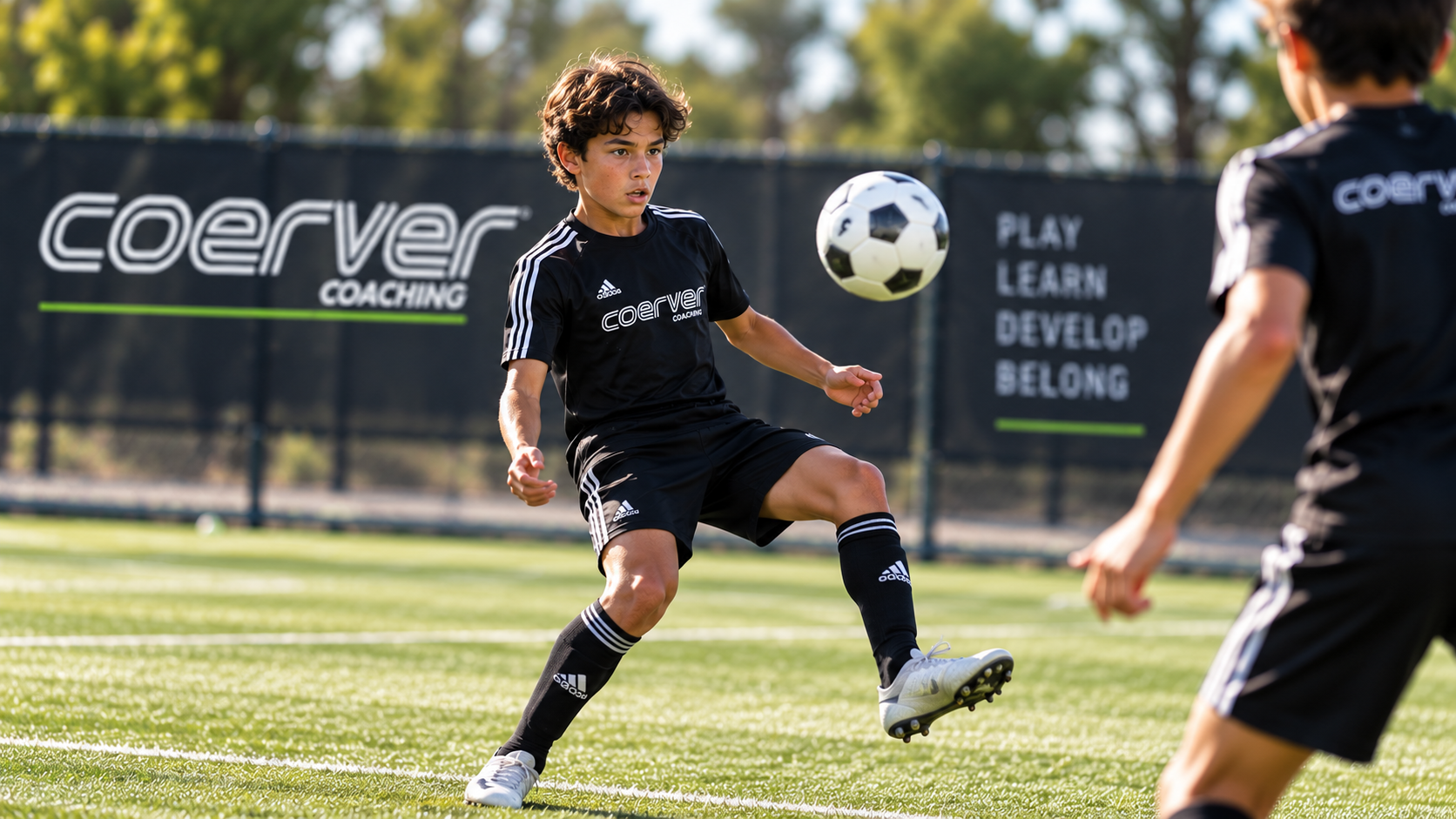
Watch any high level game and count how many goals come from a cutback. A wide player gets to the end line, looks up and plays the ball back to a teammate arriving around the penalty spot. The defenders are running toward their own goal. The finisher is facing it. It is one of the highest quality chances in soccer.
Youth players can learn this too. These cutback finishing drills work on both parts of the move: the wide player who sees the finisher, and the finisher who finds space instead of running past the ball. They work well for U11 to U15 players.
It is also important to tell the player crossing the ball back not to worry about losing the ball near the end line. I always tell players the worst that can happen is they lose the ball, or the ball goes out for a goal kick, or they get a corner kick. All of those options are OK. A corner is best, but either way they are not putting their team in any danger when they are attacking near the end line of their opponent.
What Is a Cutback in Soccer?
A cutback is a pass played backward from near the goal line to a teammate arriving in a central area. It is different from a regular cross because the ball travels away from the goal. That makes it very hard for defenders to deal with.
FIFA’s March 2026 penalty area session for goalkeepers includes cutback situations because they are such a common threat. If goalkeepers and defenders need to train against them, attackers should be training to create them.
Why Cutbacks Work So Well for Young Players
Cutbacks are great finishing practice because they combine three things young players need: ball control, passing accuracy and timing. The finisher usually has the whole goal in front of them, so they can focus on a clean, balanced strike instead of trying to bend a shot from a tight angle.
The challenge is getting the wide player to look up. Most youth players get to the end line and either blast it across goal or shoot from a bad angle. We want them to see the space behind them before they get there.
Drill 1: Help the Passer See the Finish
Setup: An age-appropriate goal with a goalkeeper. Mark a working area about 25 yards wide and 22 yards long. One wide player starts about 15 yards from the goal line. One finisher waits centrally near the top of the area.
How it works: The wide player dribbles forward and looks toward the central space before passing back. The finisher adjusts their run to the pass and shoots. Rotate the wide player and finisher after each attempt. Work from both sides.
Keep extra players and balls outside the shooting area for safety. Give the goalkeeper a short break between shots instead of firing balls at them nonstop. Run this for about six minutes.
Coaching points:
- Wide player: controlled approach, head up before the end line.
- Pass weighted so the finisher can strike it without stretching.
- Finisher: balanced body, eyes on the ball, strike through it.
Drill 2: Add One Defender
Setup: Same area. Add a defender between the goal and the finisher. Now it is 2v1 plus the goalkeeper.
How it works: The wide player has three options: shoot, pass across goal, or cut the ball back. Having all three choices stops the defender from simply waiting for the cutback.
This is where the finisher starts to really learn. Ask them to watch the defender’s hips. If the defender drops toward goal, space opens in front of them. If the defender steps toward the ball, a different lane may open. Encourage the finisher to change speed instead of sprinting into the same spot every time.
Coaching points:
- Finisher: hold your run, then accelerate into space.
- Wide player: read where the defender goes before choosing your pass.
- Every player: shoot if the chance is there.
Drill 3: 4v4 Finishing Game
Setup: 4v4 plus goalkeepers on a 35 x 30 yard field. Mark a five yard channel on each side. Both teams can use the channels freely.
How it works: A goal is worth one point. A goal that comes from a pass back from the last five yards of a wide channel is worth one extra point. Play two rounds of four minutes with a short talk in between. Then play a final round with no bonus points.
Every player can score and nobody is forced to use the channels. The bonus just gives players a nudge. When you take it away for the last round, watch to see if they still look for the cutback. If they do, it is starting to stick.
Coach the Detail That Changes the Chance
When a cutback goes wrong, it is easy to blame the shot. Look at the whole move first.
- The finisher is stretching for the ball. Check the weight of the pass before you correct the shooting technique.
- The finisher arrives too early. Ask them to hold their position a moment, then go.
- Passes keep hitting defenders. The wide player needs to look up earlier, before they reach the goal line.
It also helps to track two things separately: how many cutbacks reached a teammate with room to shoot, and how many goals were scored. A great save can follow a well created chance. A lucky goal can come from a messy attack. Looking at both helps you give players fair feedback.
Finishing Starts With Comfort on the Ball
Strong finishing comes from players who are confident with the ball at their feet. At Coerver we put a lot of time into ball mastery because it makes every other part of the game easier, including striking a moving ball cleanly. To create the chances in the first place, try our third player combination drills.
Frequently Asked Questions
Should every cutback be finished first time?
Let the pass and the space decide. A first time finish suits a clean ball with a defender closing. If the pass is awkward or the pressure is a step away, a settling touch can be the better choice.
Where should the finisher be when the cutback is played?
Usually somewhere between the penalty spot and the top of the box, arriving at speed. The key is to arrive at the same time as the ball.
How can I make finishing drills more game realistic?
Add defenders early, give the attacker choices and keep score. Players should be making a decision on every rep.
Plan Your Finishing Sessions With Coerver
Use the Coerver Session Planner to organize finishing work alongside the technical preparation and competitive games that support it.
Source: FIFA Training Centre, Goalkeeping fundamentals: Defending the penalty area (March 24, 2026)