



Sebastián Abreu’s Panenka penalty against Ghana is one of the boldest kicks in World Cup history. On July 2, 2010, at Soccer City in Johannesburg, Uruguay and Ghana went to a penalty shootout in the World Cup quarter-final. With the chance to send Uruguay into the semi-finals, Abreu, nicknamed “El Loco” (the crazy one), walked up and softly chipped the ball down the middle as goalkeeper Richard Kingson dived. Uruguay were through.
It looked crazy. It wasn’t. Abreu later explained that he had studied the goalkeeper and seen him diving early. Here’s the story of the penalty, what a Panenka is, and how (and when) to try one yourself.
The Story Behind Abreu’s Penalty
The game itself is one of the most dramatic in World Cup history. It finished 1-1 after extra time, but only after Luis Suárez blocked a goal-bound header on the line with his hands in the final moments. Suárez was sent off, Ghana’s Asamoah Gyan hit the crossbar with the resulting penalty, and the game went to a shootout.
Abreu stepped up to take Uruguay’s final kick. Instead of striking hard into a corner, he chipped the ball gently down the middle. Kingson had already gone. The goal sent Uruguay into their first World Cup semi-final in 40 years.
Uruguay captain Diego Lugano summed it up: Abreu was “as mad as he is intelligent,” a player who studied goalkeepers before he took penalties.
What Is a Panenka Penalty?
A Panenka is a penalty kick that is softly chipped down the middle of the goal, rather than struck into a corner. It’s named after Czechoslovakia’s Antonín Panenka, who used it to win the 1976 European Championship final against West Germany.
The idea is simple: most goalkeepers dive to one side to have a chance of saving a well-struck penalty. If the keeper dives early, a soft chip into the middle is unstoppable. If the keeper stays still, it’s an easy save, and an embarrassing miss.
How to Take a Panenka Penalty: Step by Step
- Study the goalkeeper. Does the keeper dive early? Watch earlier penalties if you can.
- Use your normal run-up. Nothing about your approach should give the chip away.
- Look like you’re going to strike hard. Your body shape should sell a powerful shot.
- Get your foot under the ball. At the last moment, slide your toes under the ball and lift it gently.
- Aim for the middle, just under the bar. The ball should drop into the space the goalkeeper has left.
- Commit. A half-hearted Panenka is the worst of both worlds.
Why the Panenka Is So Risky
- If the goalkeeper stays big, the chip is an easy catch.
- A chip struck too hard goes over the bar; too soft and the keeper can recover.
- Missing a Panenka in a big moment brings a lot of criticism.
That’s why Abreu’s kick is so famous: he chose the riskiest technique in the most important moment, and he’d done his homework.
Should Young Players Try the Panenka?
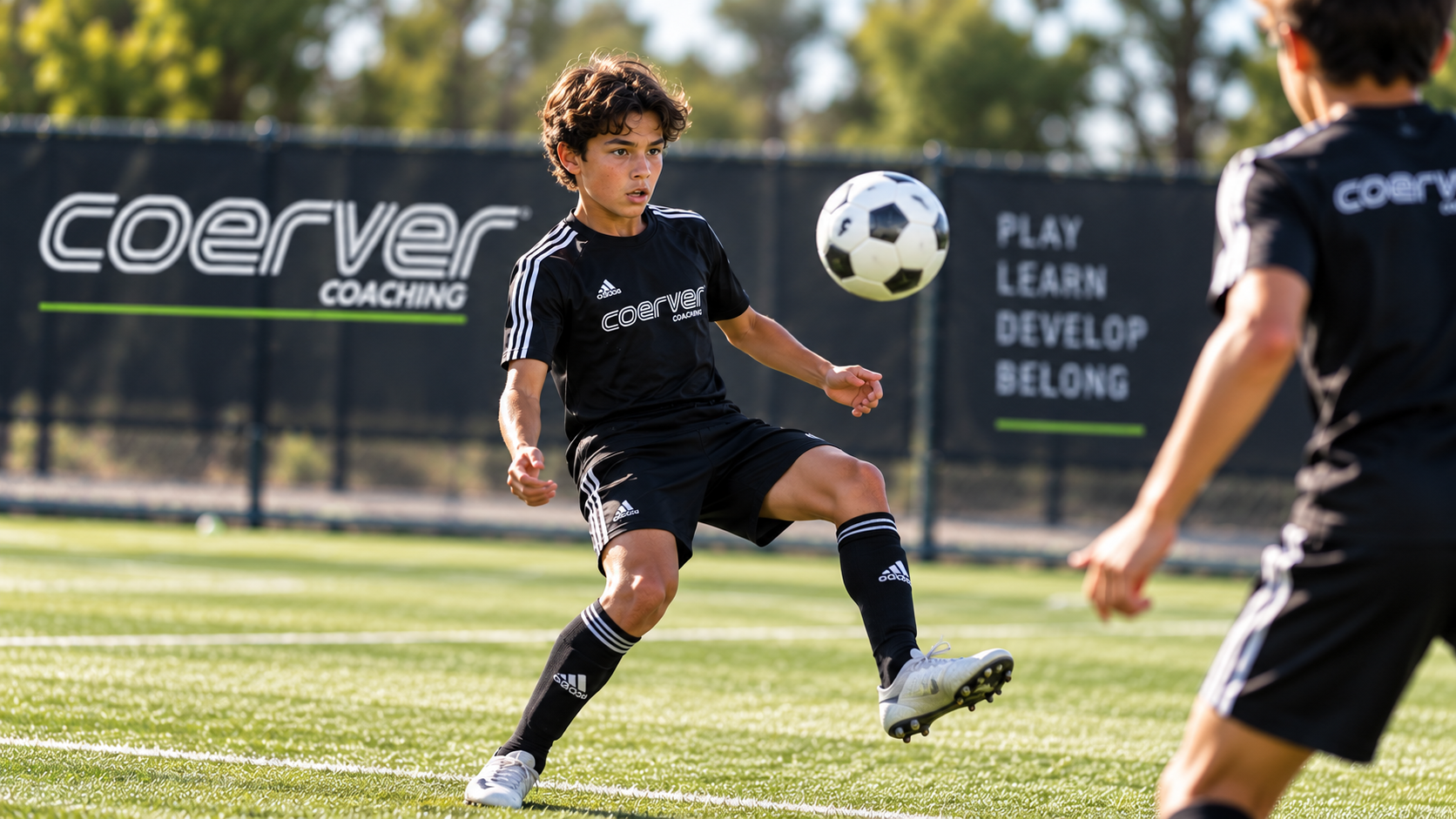
Young players should first build a reliable penalty: one run-up, one technique, two target corners. The Panenka is a fun skill to practise in training, but save it for when you have the confidence and the touch to chip the ball cleanly under pressure. That touch comes from hours of ball mastery and technical practice.
Panenka Practice Drill
- Place a cone in the middle of the goal, just under the crossbar.
- From the penalty spot, practise chipping the ball to drop near the cone, with no goalkeeper.
- Add a goalkeeper who must dive. Can you still disguise the chip?
- Finally, let the goalkeeper choose whether to dive or stay. Learn to read their movement.
Other Famous Panenka Penalties
Abreu wasn’t the only player brave enough. Zinedine Zidane chipped a Panenka against Italy in the 2006 World Cup final, and Andrea Pirlo famously used one against England at Euro 2012. Every one of these players had the same thing in common: total confidence in their technique.
Learn more about penalties in our guides to PKs in soccer and the paradinha penalty.
Frequently Asked Questions
When did Abreu score his Panenka?
On July 2, 2010, in the World Cup quarter-final shootout between Uruguay and Ghana in Johannesburg.
Who was the Ghana goalkeeper?
Richard Kingson.
Why is it called a Panenka?
It’s named after Antonín Panenka, who scored with a chipped penalty to win the 1976 European Championship final for Czechoslovakia.
Every great player starts with ball mastery.
Coerver’s 99 Skills to Ball Mastery program builds the touch, close control and quick feet that every great player relies on. Train anywhere with just a ball and a few square feet.