






The biggest tactical lesson of the 2026 World Cup is that the fastest reactions won: FIFA’s Technical Study Group found that winning teams regained the ball on average four seconds faster than losing teams. Add goalkeepers who build play like outfield players and a reminder that there is no single winning formula, and youth coaches have a clear, age-appropriate blueprint for the season ahead.
What FIFA’s Technical Study Group Found
Spain won the tournament on July 19, 2026, beating Argentina 1-0 after extra time at MetLife Stadium, with Ferran Torres scoring in the 106th minute, as CBS News reported. In early October, FIFA released its post-tournament technical report, built on analysis of all 104 matches by the Technical Study Group (TSG) and FIFA’s Football Performance Insights team.
1. Counter-pressing was the defining trend
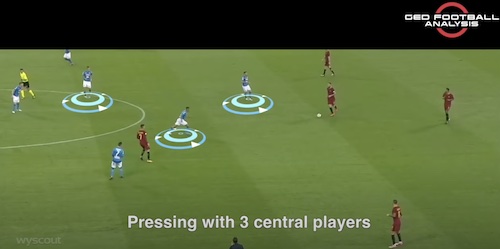
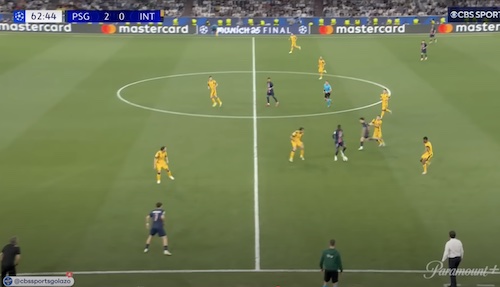
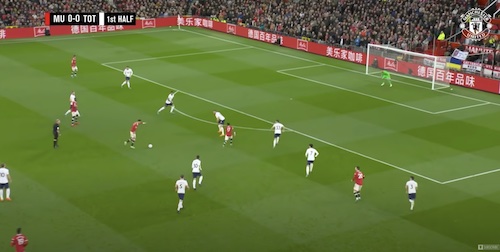
The report singles out counter-pressing, the collective reaction immediately after losing the ball, as a defining feature of the competition. Spain’s title was built on using their shape in possession to win the ball back and attack before opponents could reorganize. In FIFA’s group-stage review, the United States ranked first of all teams for the share of out-of-possession time spent counter-pressing, with Canada second.
2. Goalkeepers joined the build-up
FIFA’s analysts noted that in the group stage only 52% of goal kicks were taken by goalkeepers, compared with 91% at the 2022 World Cup. Teams often had a center-back take the kick so the keeper could step in as an extra passer and decide whether to play short, through or over the press.
3. There was no single winning formula
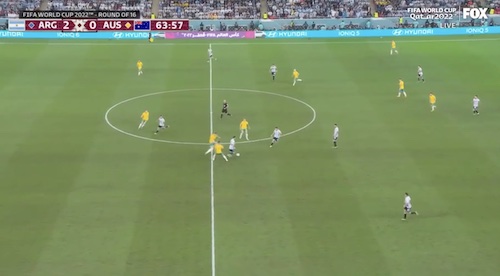
The TSG stressed variety: aggressive high presses, disciplined low blocks and rapid transitions all worked. Debutants Cabo Verde showed how compact, organized defending and an involved goalkeeper can trouble stronger opponents. They took reigning champions Argentina to extra time in the Round of 32 before losing 3-2, according to Sky Sports.
4. More goals, tighter games
The first 48-team World Cup produced close to three goals per game, and TSG members said there were very few easy matches. Competitive balance rewarded teams that stayed organized for 90 minutes and beyond.
Translating the Trends for Youth Players
Elite trends are not a template to copy. They are a direction of travel. The job is to give young players the skills that make those trends possible later.
- Ages 6 to 10: Focus on ball mastery and 1v1 courage. The “react fast” lesson becomes simple games where a player who loses the ball tries to win it straight back. No systems, no lectures.
- Ages 11 to 14: Introduce the idea of a group reaction. When we lose it, the nearest player presses, the next two close passing lanes. Let goalkeepers receive and pass in every session, using the build-out line where your league plays 7v7.
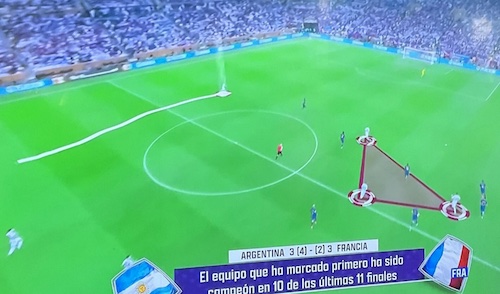
- Ages 15 and up: Teach team choices. When do we press high, when do we drop into a compact block, and how do we protect the space behind us when we attack? The “3+2” rest-defense shape FIFA described is a useful reference for older teams.
Underneath every trend is technique. A team cannot counter-press if players cannot keep the ball long enough to win it back, and a keeper cannot build play without a confident first touch. That is why a ball mastery foundation, the core of the Coerver Coaching approach, still matters most. For individual work, see our guide to skills to learn from the 2026 World Cup.
A Progressive Practice: “React, Build, Choose”
This 75-minute session suits U11 to U14 players and scales up or down easily. Each activity links back to a World Cup theme.
Activity 1: Ball Mastery and Steal-Back (15 minutes)
Set-up: 25×25-yard grid, one ball per player.
Organization: Players dribble freely, performing ball mastery moves on the coach’s call. On “Steal!”, two players without a ball enter and try to knock balls out. Any player who loses a ball must immediately try to win one back within five seconds.
Coaching points: Close control with both feet, head up, shield the ball, react instantly when it is lost.
Progression: Add more stealers; players who win the ball back earn a point.
Activity 2: 4v4+3 Possession with Counter-Press (20 minutes)
Set-up: 30×25-yard area, two teams of four, three neutral players on the outside.
Organization: The team in possession keeps the ball with help from the neutrals. Six passes earns a point. The team that loses the ball scores a bonus point if it wins it back within five seconds.
Coaching points: Nearest player presses the ball, teammates squeeze close to cut short passes, press as a group over short distances rather than chasing alone. In possession, stay spread so you are ready to react if the ball is lost.
Progression: Reduce to two neutrals, or shrink the area to increase pressure.
Activity 3: Build Out with the Goalkeeper (20 minutes)
Set-up: Half field. A goalkeeper and three defenders against three attackers. Two small gates near the halfway line.
Organization: Each restart begins with a goal kick taken by a defender to the keeper, or by the keeper. Defenders score by dribbling or passing through a gate. Attackers who win the ball try to score quickly on goal.
Coaching points: Keeper’s open body and first touch out of the feet, scanning before receiving, choosing short, through or over the press. Defenders create angles and width.
Progression: Add a fourth attacker so the keeper must recognize when to play longer.
Activity 4: 7v7 Game with Choices (20 minutes)
Set-up: 7v7 including goalkeepers on a 60×40-yard field.
Organization: Free play. Goals scored within eight seconds of winning the ball count double. Before each half, each team chooses either to press high or defend in a compact block.
Coaching points: Fast reaction on loss, quick forward play on regain, communication about the defensive choice.
Progression: Let players switch defensive approach by themselves at any time, then discuss what worked.
What to Watch for This Season
- How quickly your players react in the first seconds after losing the ball.
- Whether your goalkeeper wants the ball, not just tolerates it.
- Whether players can explain why the team pressed or dropped off.
For more on letting players make those decisions themselves, read Don’t Be a ‘Joystick’ Soccer Coach.
Frequently Asked Questions
Who won the 2026 World Cup?
Spain won, beating Argentina 1-0 after extra time in the final on July 19, 2026, at MetLife Stadium in New Jersey.
What was the main tactical trend at the 2026 World Cup?
FIFA’s Technical Study Group identified counter-pressing as the clearest trend, noting that winning teams regained the ball about four seconds faster than losing teams.
Should youth teams copy World Cup tactics?
Not directly. Use the principles, such as reacting fast and involving the goalkeeper, but keep the focus on technique, 1v1 confidence and small-sided games, especially before age 12.
Coach it with your own team.
The Coerver Session Planner gives youth coaches ready-made practice sessions built on the Coerver method: fun, organized and packed with touches on the ball.