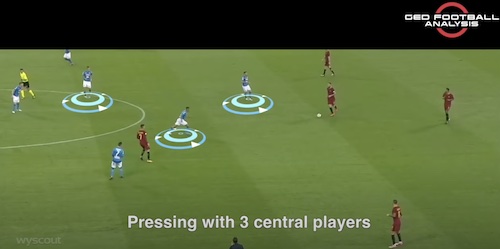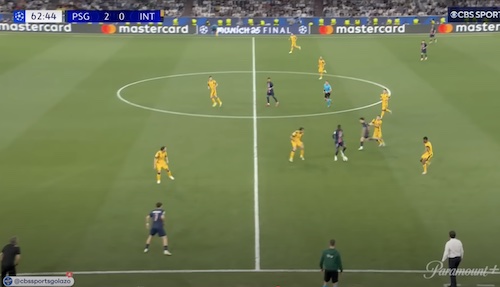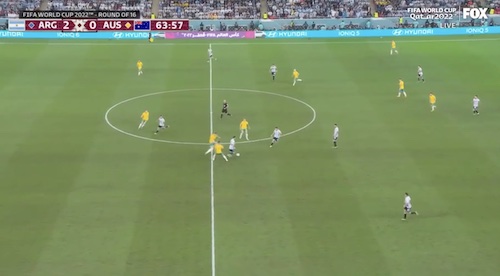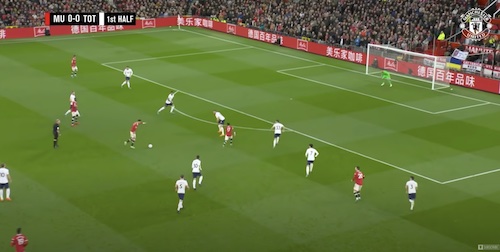









Counter-pressing is a team’s immediate, collective reaction to losing the ball: instead of retreating, the nearest players press over short distances to win it back before the opponent can organize an attack. It was the defining tactical trend of the 2026 World Cup, and with the right progressions it can be taught to players from about age 10 upward.
Why Counter-Pressing Is in the Spotlight
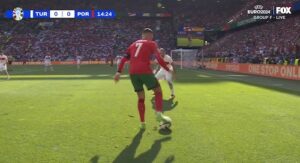
FIFA’s Technical Study Group named counter-pressing the clearest trend of the tournament in its technical analysis of the 2026 World Cup, reporting that winning teams regained the ball on average four seconds faster than losing teams. Champions Spain were the model. Ahead of the final, FIFA’s analysts noted that as soon as Spain lost possession they counter-pressed in numbers with intensity, and that they had conceded only one goal in seven matches.
There is a strong American angle too. In FIFA’s group-stage review, the United States ranked first of all 48 teams for the percentage of out-of-possession time spent counter-pressing, with Canada second. FIFA defined the idea as “collective reactions immediately after possession is lost, with players pressing over short distances instead of chasing the ball individually.”
Why It Works
The moment a team wins the ball is often its most disorganized moment. Players are still in defensive positions, heads are down, and the first pass is usually rushed. If the team that just lost the ball can pounce in those first seconds, it often wins it back close to the opponent’s goal, where a quick chance is likely.
FIFA’s analysts also noted that teams counter-press for two different reasons: to sustain their own attacks, and to stop the opponent’s counter-attack at the source. Both matter at youth level.
The Five Principles of Counter-Pressing
- Instant reaction. The switch from attacking to defending must happen in a heartbeat. No complaining, no looking at the referee.
- Nearest player presses the ball. Pressure the ball carrier fast and from an angle that pushes play toward teammates or the sideline.
- Close the short options. The next two or three players squeeze passing lanes and mark nearby opponents. This is what makes it collective.
- Stay compact while attacking. Counter-pressing starts before the ball is lost. Good spacing in possession means players are already close enough to react. Older teams use “rest defense,” for example the 3+2 structure FIFA highlighted, to protect the space behind.
- Know when to stop. If the ball is not won back quickly, or the opponent escapes the pressure, the team drops into a compact shape. Chasing forever leaves gaps.
Teaching It at Different Ages
For players under 10, keep it simple: “lose it, win it back.” Every small-sided game naturally rewards the player who reacts first. From around 10 to 13, introduce the idea of the nearest player plus helpers. From 14 upward, add triggers (a bad touch, a backward pass, a player receiving facing his own goal) and the decision of when to drop off.
One warning: counter-pressing is not a replacement for technique. The best pressing teams are also the best on the ball, because they keep possession long enough to stay compact. Rondos are a natural way to build both, and our Coerver Coaching rondos article is a good starting point.
A Progressive Counter-Pressing Practice
This 70-minute session is aimed at U12 to U16 players. Use a five-second count throughout so players have a clear target.
Activity 1: 1v1 Steal-Back Duels (10 minutes)
Set-up: 10×15-yard channels, pairs with one ball, small gate at each end.
Organization: The attacker tries to dribble through the defender’s gate. If the defender wins the ball, the attacker must win it back within five seconds before the defender reaches the other gate.
Coaching points: Immediate reaction, sprint to the ball side, low body shape, don’t dive in.
Progression: Shorten the time to three seconds.
Activity 2: 5v2 Rondo with Escape (15 minutes)
Set-up: 15×15-yard square with a 10-yard end zone on one side.
Organization: Five keep the ball against two. When the two defenders win it, they try to pass into the end zone. The five must react instantly to stop them.
Coaching points: The player who lost the ball presses first; the two nearest players cut passing lanes; everyone else moves closer.
Progression: Make it 5v3 with a bigger escape zone.
Activity 3: 5v5 Possession to Target Players (20 minutes)
Set-up: 35×30-yard area, two teams of five, one target player at each end.
Organization: A team scores by playing to its target player. The team that loses possession earns two points if it wins the ball back within five seconds.
Coaching points: Compact spacing in possession, press from the side to block the forward pass, communicate (“Mine!” “Squeeze!”), and drop back quickly if the press is broken.
Progression: Add a sixth player to the attacking team only, so the counter-press must be organized rather than just fast.
Activity 4: 7v7 Game with Counter-Press Bonus (25 minutes)
Set-up: 60×40-yard field with goalkeepers.
Organization: Normal game. A goal scored within ten seconds of winning the ball back in the opponent’s half counts triple.
Coaching points: Recognize triggers, react as a group of three, attack quickly once the ball is won.
Progression: Remove the bonus for the final ten minutes and see whether the habit stays.
What Coaches Should Watch For
- Body language on loss: Are heads dropping, or are players already moving?
- Distances: Pressing works over short distances. If players are 20 yards away, the problem is spacing in possession.
- Fouls: Aggression must be controlled. Teach players to stay on their feet.
- Fatigue: Work in short blocks with full recovery so the intensity stays real.
Counter-pressing ties closely to playing out of pressure, too. Our neutral player in possession drill pairs well with this session.
Frequently Asked Questions
What is counter-pressing in soccer?
It is a team’s immediate, collective pressure on the ball right after losing it, aiming to win it back before the opponent can organize. It is sometimes called “gegenpressing.”
What age should players learn counter-pressing?
Young players can learn the simple habit of reacting fast after losing the ball. Group pressing ideas fit best from around ages 10 to 13, with triggers and team decisions added in the teenage years.
How long should a counter-press last?
Many coaches use a five-second guide. If the ball is not won back or the press is beaten, the team should drop into a compact defensive shape rather than keep chasing.
Coach it with your own team.
The Coerver Session Planner gives youth coaches ready-made practice sessions built on the Coerver method: fun, organized and packed with touches on the ball.