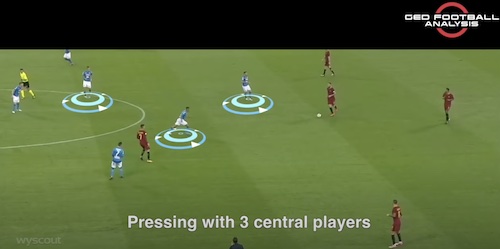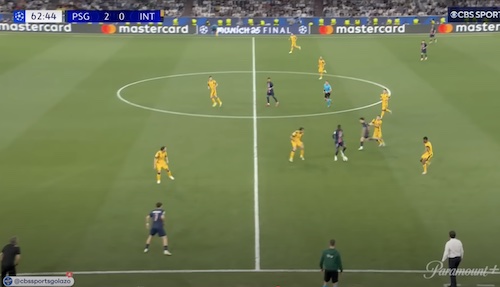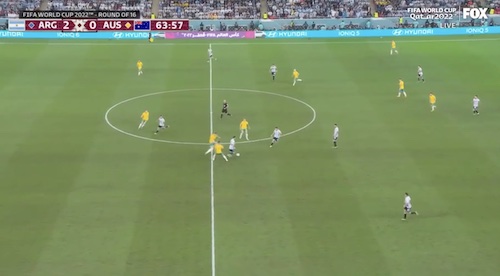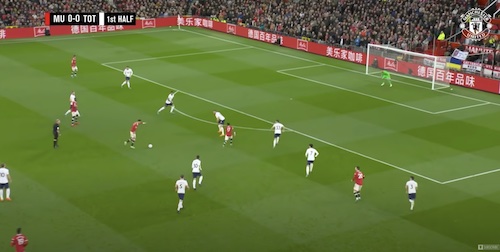



The modern goalkeeper is an eleventh field player as well as a shot-stopper: someone who receives under pressure, passes accurately with both feet and helps the team play out from the back. The 2026 World Cup confirmed the shift, and young keepers who build a clean first touch and a reliable passing range now will be ready for wherever the game goes next.
What the 2026 World Cup Showed About Goalkeepers
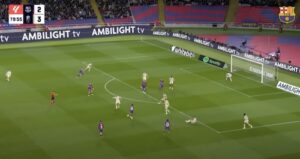
FIFA’s post-tournament technical report describes goalkeepers becoming active participants in the build-up phase, offering an extra solution when opponents pressed. The numbers are striking. FIFA’s group-stage review found that only 52% of goal kicks were taken by goalkeepers, compared with 91% at the 2022 World Cup.
Why? Teams increasingly let a center-back take the goal kick so the keeper could receive the next pass, see how the opponent was pressing, and choose whether to play short, through the press or over it. FIFA highlighted Japan’s Zion Suzuki, Belgium’s Thibaut Courtois and England’s Jordan Pickford for using longer distribution to bypass pressure, and ranked Cabo Verde’s Vozinha highest for in-possession play in the group stage.
Rules That Changed the Job
Two Law changes push keepers toward quicker, more skillful play:
- Goal kicks: Under Law 16, the ball is in play once it is kicked and clearly moves, and teammates may receive it inside the penalty area. Opponents must stay outside the area until then. That makes short build-up from goal kicks practical.
- The eight-second rule: Since the 2025-26 season, a goalkeeper who holds the ball in the hands for more than eight seconds concedes a corner kick, replacing the old six-second indirect free kick, as Sky Sports reported. Keepers have to scan early and release the ball with purpose.
In U.S. youth soccer, U.S. Soccer’s build-out line in 7v7 play (U9 and U10) requires opponents to retreat when the goalkeeper has the ball or takes a goal kick, giving young keepers time to pass or roll the ball out instead of punting.
The Three Core Skills
First touch
A keeper’s first touch should move the ball out of the feet and away from pressure, ideally into space that opens the next pass. Key details: an open body shape (side-on to see more of the field), receiving on the back foot, and comfort with both feet. A heavy touch near your own goal is the most expensive mistake in soccer, so these reps cannot be an afterthought.
Passing range
Young keepers need four passes: a firm ground pass to a nearby defender, a driven pass into midfield, a lofted pass over the press, and accurate throws and rolls. Each needs both accuracy and correct weight so the receiver can play forward.
Decision-making
Scanning before receiving is what turns a technically good keeper into a good playmaker. The question is always the same: short, through or over? If the opponent presses high with numbers, going over may be smart. If they sit off, take time and draw them in.
All of this rests on comfort with the ball. Ball mastery work that outfield players do every day, rolls, inside-outside touches, turns, belongs in a keeper’s routine too. Our Coerver Goalkeeping Essentials review covers the shot-stopping side, and mini ball training is a fun way to sharpen hands and feet.
A Progressive Goalkeeper Practice
This 60-minute session works for keepers aged 10 to 16. Outfield players can join activities 3 and 4.
Activity 1: Keeper Ball Mastery (10 minutes)
Set-up: One ball per keeper, a 10×10-yard box.
Organization: Sole rolls, inside-outside touches, pull-backs and drag turns with both feet, then short passing against a rebound wall or partner.
Coaching points: Light on the toes, small touches, eyes up between touches.
Progression: Coach calls a color or number; the keeper must look up, answer and keep the ball moving.
Activity 2: Receive and Play Through Gates (15 minutes)
Set-up: Keeper in goal, a server at the edge of the area, three small gates 15 to 30 yards away at different angles.
Organization: The server passes back. As the ball travels, the coach points to a gate. The keeper takes one touch out of the feet and passes through the called gate.
Coaching points: Open body, receive across the body, touch away from the goal, use the correct foot for the angle.
Progression: Add a passive, then active presser who chases the keeper after the serve.
Activity 3: GK + 3 vs 2 Build-Out (15 minutes)
Set-up: Penalty area plus 20 yards. Keeper and three defenders against two attackers. Two end gates near the far line.
Organization: Each round starts with a goal kick, taken by a defender or the keeper. The build-out team scores by dribbling through an end gate. Attackers who win the ball shoot at goal immediately.
Coaching points: Keeper as the free player, angles of support, communication (“Time!” “Man on!”), willingness to recycle the ball back to the keeper.
Progression: Add a third attacker, so the keeper must recognize when to play over the press.
Activity 4: 7v7 Game with a Build-Out Line (20 minutes)
Set-up: 60×40-yard field with goalkeepers and a build-out line about 15 yards from each goal.
Organization: Opponents retreat behind the line on every goal kick and when the keeper has the ball in the hands. A goal that starts with a keeper’s pass counts double.
Coaching points: Scan before receiving, release within the eight-second limit, choose short or long based on the opponent’s shape.
Progression: Remove the build-out line so the opponent can press immediately.
Tips for Parents and Coaches
- Rotate goalkeepers at younger ages so every player learns to play with feet and hands.
- Celebrate a brave pass out, even if it occasionally leads to a mistake. Fear kills development.
- Give keepers footwork reps in every session, not just at the end.
Frequently Asked Questions
Why do goalkeepers play out from the back now?
Playing out lets a team keep possession and pull opponents forward. At the 2026 World Cup, FIFA found keepers acting as extra passers in the build-up, with center-backs often taking goal kicks so the keeper could receive.
What is the eight-second rule for goalkeepers?
Since 2025-26, if a goalkeeper holds the ball in the hands for more than eight seconds, the referee awards a corner kick to the opponent.
How can young goalkeepers improve their first touch?
Daily ball mastery with both feet, receiving with an open body and touching the ball away from pressure and toward the next pass.
Every great player starts with ball mastery.
Coerver’s 99 Skills to Ball Mastery program builds the touch, close control and quick feet behind the skills you just watched. Train anywhere with just a ball and a few square feet.